Heat shrink tubing is a flexible plastic sleeve that contracts when heated, creating a snug and protective covering over wires, cables, and joints. Its main function is to insulate, protect, and provide a neat finish to electrical connections.
The shrinking process works because the tubing is manufactured in an expanded form; when heat is applied, it returns to its original, smaller size. The amount it shrinks by is referred to as the shrink ratio. For example, a 2:1 ratio means the tubing will shrink to half its original diameter.
Common Uses of Heat Shrink
Heat shrink tubing is widely used across electrical, automotive, and DIY applications. Its most common use, however, is electrical insulation, ensuring exposed connections are safely covered. It also provides cable protection, guarding against abrasion and wear.
| Use | Description | Example Applications |
|---|---|---|
| Electrical Insulation | Covers bare wires and soldered joints to prevent shorts and accidental contact. | Household wiring repairs, spliced cable joints, electronics projects. |
| Cable Protection | Guards wires against abrasion, cuts, and general wear and tear. | Automotive wiring looms, industrial machinery cabling. |
| Strain Relief | Strengthens connection points and prevents wires from bending or snapping. | Power tool cords, headphone cables, plugs and connectors. |
| Colour Coding | Uses different tubing colours to identify and organise cables. | Positive vs. negative leads, multi-core wiring, network cabling. |
| Waterproofing | Adhesive-lined tubing provides a watertight seal against moisture and corrosion. | Marine electrics, outdoor lighting, underground cabling. |
Types of Heat Shrink
Heat shrink tubing comes in a range of forms and materials, each with properties designed for different environments.
Single wall is the standard option, providing straightforward electrical insulation and mechanical protection.
Dual wall, by contrast, includes a heat-activated adhesive lining. When shrunk, this adhesive melts and bonds to the surface beneath, creating a seal against moisture, dust, and vibration. Dual wall tubing is often used in automotive and marine wiring, where environmental protection is essential, as it offers watertight sealing.
Tip from the ‘top Non-adhesive options are great for applications where flexibility and ease of rework are more important than sealing.
Heat Shrink Material types
Polyolefin is the most widely used material, known for its flexibility, flame retardancy, and good dielectric strength. It’s suitable for both commercial and industrial wiring.
PVC is more rigid but cost-effective, often used for colour coding and general bundling rather than high-performance applications. However, over time, PVC Heat Shrink has been replaced by Polyolefin, although it still has uses in HLAT, an ultra-thin PVC wall with excellent electrical insulation and one of the lowest shrink temperatures of any tube. The ideal heat-shrink wrap for customised battery packs.
PTFE is highly resistant to heat (up to around 250°C) and chemicals, making it ideal for aerospace, defence, and laboratory use.
How to Choose the Right Heat Shrink
When selecting heat shrink tubing, it’s important to consider a few key factors:
| Factor | What it means | Best practice |
|---|---|---|
| Shrink ratio | How much the tubing contracts when heated (e.g. 2:1, 3:1, 4:1). | Use 2:1 for most jobs; 3:1 or 4:1 for irregular shapes or large connectors. |
| Diameter & length | The size of tubing before shrinking and how much coverage you need. | Choose tubing 25–50% larger than the object; allow slight extra length. |
| Temperature rating | The operating temperature the tubing can withstand safely. | Match the rating to your environment (e.g. higher for automotive/industrial use). |
| Flame & chemical resistance | Additional protective properties against fire or harsh substances. | Use flame-retardant or chemical-resistant tubing in demanding applications. |
Tip From The ‘top. As a rule of thumb, select tubing about 25–50% larger than the item you’re covering to ensure a snug fit after shrinking. Check out our size guide for more info.
How to Use Heat Shrink Tubing
Installing heat shrink tubing is straightforward. First, cut a length of tubing slightly longer than the area you want to cover. Slide it over the cable or joint before making any final connections. Using a heat gun (or other safe heat source), apply heat evenly around the tubing until it shrinks tightly into place.
Common tools needed include wire cutters, strippers, and a heat gun. Safety is important so avoid open flames, as they can damage the tubing or the wire underneath, and always work in a well-ventilated area.
| Step | What to Do | Why It Matters |
|---|---|---|
| 1 | Measure and cut a piece of tubing slightly longer than the area you need to cover. | Ensures full coverage and allows for slight shrinkage in length. |
| 2 | Slide the tubing over the cable, wire, or connector before final assembly where possible. | Avoids the need to disconnect wires later; makes installation smoother. |
| 3 | Apply heat evenly with a heat gun, starting from the centre and moving outward while rotating. | Prevents air bubbles, wrinkles, or uneven shrinking. |
| 4 | Allow the tubing to cool and set in place before handling or moving the cable. | Cooling locks the tubing securely and maintains insulation integrity. |
Tools you’ll need:
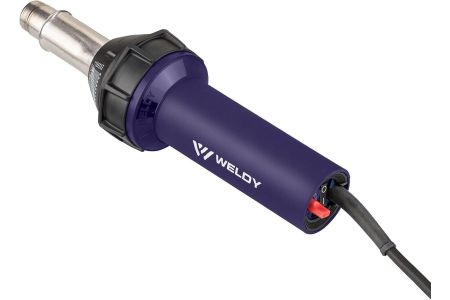
- · Heat gun (better results than lighters or hair dryers)
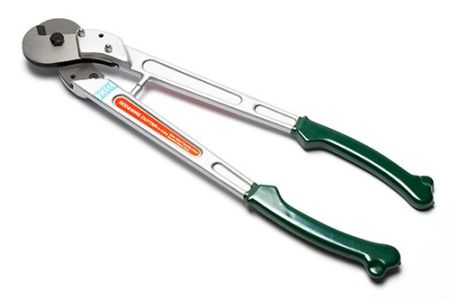
- · Wire cutters and strippers
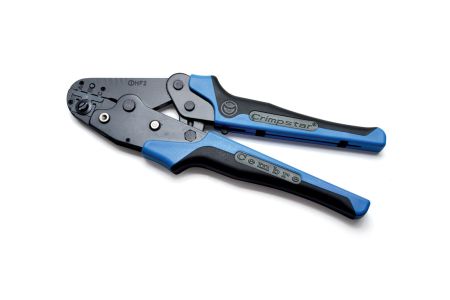
- · Crimping tools (if sealing connectors)
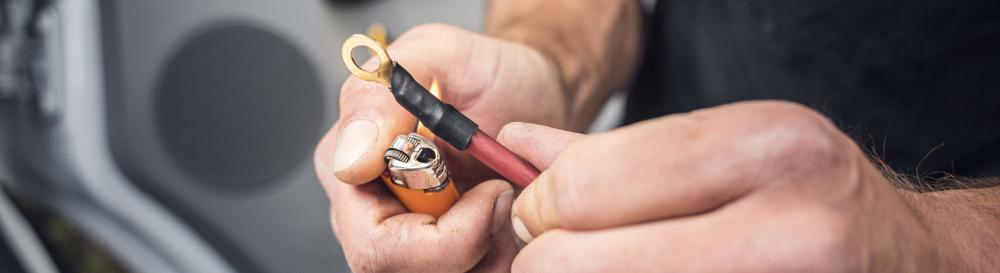
Tip From The ‘top. Avoid open flames; lighters can char the tubing and compromise insulation, and overheating can cause splitting or burns.
Troubleshooting & FAQs
- A common issue is that it doesn’t shrink properly. This usually happens if the tubing is not exposed to enough heat or if you’re not using a proper heat gun.
- Another important consideration is finding the best shrink ratio to use.
- For general cable insulation, 2:1 is usually sufficient, but for uneven or larger connectors, 3:1 or 4:1 provides a better fit.
- Customers also often ask whether heat shrink can make a joint waterproof. This depends on whether you’ve used adhesive-lined tubing.
- If you find the tubing splitting or cracking, it may mean the material isn’t suitable for the operating temperature, or the tubing has been over-heated.
Featured Heat Shrink Products & Kits
For those looking to get started, we supply a variety of bestselling heat shrink kits that include assorted sizes and colours, making them ideal for electricians, hobbyists, and DIY projects and anything in between.
Our favourite is the Hilltop Products Heat Gun Bundle Offer, which includes a durable commercial heat gun with four nozzles and a 127-piece black heat shrink tubing kit in a labelled storage case. It’s designed for safe, hands-free use and provides a convenient, ready-to-go solution for electrical insulation, cable protection, and repair work.
Looking for Dual Wall? We have a Mixed Adhesive Lined Heat Shrink Kit – Pack of 10 adhesive-lined tubes in five sizes (200 mm long each). 3:1 shrink ratio gives strong, waterproof seals for reliable cable protection.
Our Mixed Heat Shrink Kit is a great value set of 36 tubes in various sizes and colours, each 200 mm long. Flexible, flame-retardant 2:1 shrink tubing for insulation, strain relief, and colour coding.
The Deray Set 5000 Heat Shrink Kit includes 166 pieces: 116 pre-cut 3:1 shrink tubes in assorted sizes/colours and 50 butt connectors. Halogen-free and abrasion-resistant, it shrinks quickly for strong, watertight seals and strain relief - ideal for electrical, automotive, and marine wiring repairs.
Our Ultimate Mixed Heat Shrink Kit – 144 pc, Various Colours (65 mm each) is just for a full set of 144 polyolefin tubes across 6 sizes and 12 colours and we offer discounts for bulk.
To get the best results, consider investing in the right accessories, such as heat guns, crimp tools, and wire strippers, which help ensure a professional finish. Our team are on hand to advise you.
